
Blood Sugar Control: What Works, What Doesn’t, and Which Medications Help
When you’re trying to manage blood sugar control, the process of keeping glucose levels within a healthy range to prevent complications like nerve damage, kidney issues, or heart disease. Also known as glucose management, it’s not just about avoiding sugar—it’s about how your body processes food, responds to insulin, and reacts to medications. Many people think it’s all about cutting out sweets, but the real story is more complex. Your pancreas, liver, muscles, and even your gut bacteria all play a role. If your body doesn’t make enough insulin or stops using it right, glucose builds up in your blood. That’s when you need help—from lifestyle changes, or from drugs that target how your body handles sugar.
Two of the most common tools for blood sugar control, a strategy used by millions with type 2 diabetes to reduce long-term health risks are dapagliflozin, a type of SGLT2 inhibitor that makes your kidneys flush out extra glucose through urine and sitagliptin-metformin, a combo drug that helps your body use insulin better while slowing down sugar production in the liver. These aren’t magic pills—they work best when paired with eating habits that don’t spike glucose. Dapagliflozin can lead to weight loss and lower blood pressure as side benefits. Sitagliptin-metformin is often one of the first combos doctors recommend because it’s been tested for decades and has a solid safety record. But neither works if you keep drinking sugary sodas or eating refined carbs every day.
What’s missing from most advice is how personal this all is. Someone with prediabetes might fix their levels just by walking 30 minutes a day and cutting out white bread. Someone with advanced diabetes might need three different drugs, plus daily monitoring. There’s no one-size-fits-all. That’s why the posts below cover real comparisons—like how dapagliflozin stacks up against other diabetes pills, or how sitagliptin-metformin helps with stomach issues tied to diabetes. You’ll also find info on what happens when these drugs mix with alcohol, how they affect kidney function, and what alternatives exist if side effects become a problem. This isn’t theory. It’s what people actually use, what works in real life, and what doesn’t.
Whether you’re newly diagnosed, tired of guessing what to eat, or just trying to understand why your doctor changed your meds—this collection gives you the facts without the jargon. No marketing fluff. No vague claims. Just clear, practical details on the tools, drugs, and habits that actually move the needle on blood sugar control.
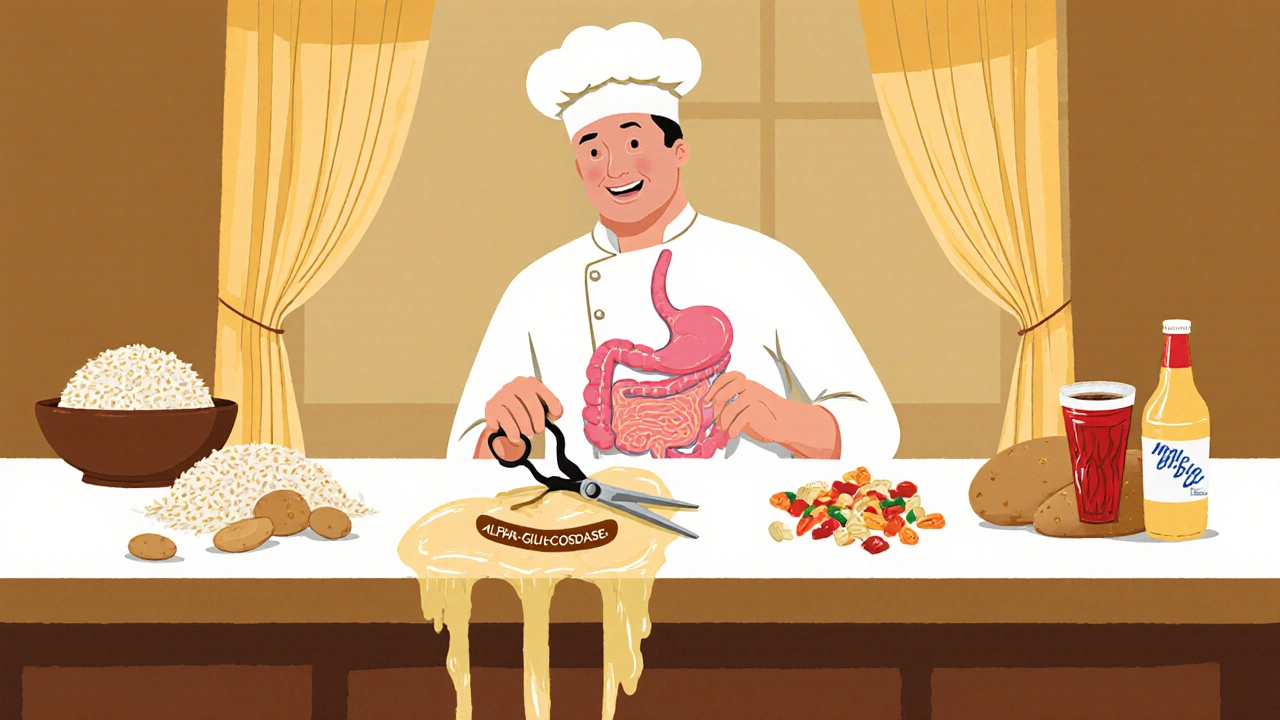
Precose: What It Is, How It Works, and Who It's For
Precose (acarbose) is a diabetes medication that slows carb digestion to prevent blood sugar spikes after meals. Learn how it works, who it helps, side effects, and how it compares to other drugs.
More